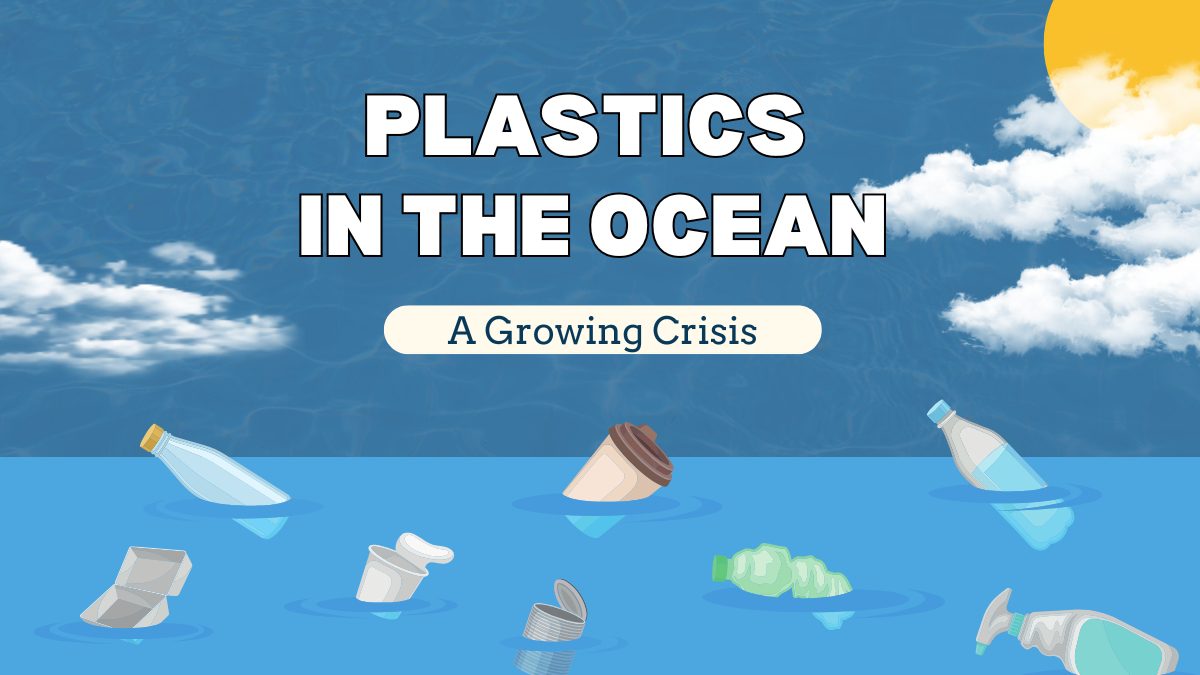
Every year, millions of tons of plastic waste enter our oceans, silently creating one of the most pressing environmental challenges of our time. From floating debris in the Pacific to microscopic particles hidden in the deepest marine trenches, plastic pollution has become a global crisis that affects wildlife, ecosystems, and even human health. Understanding the impact of this issue — and taking immediate action — is critical if we want to preserve the planet’s blue heart for future generations.
The Scale of the Problem
Scientists estimate that over 8 million metric tons of plastic enter the ocean annually. That’s equivalent to dumping a garbage truck full of plastic into the sea every single minute. Once in the water, plastic doesn’t biodegrade — instead, it breaks down into smaller fragments known as microplastics, which persist for hundreds of years.
The ocean currents gather this debris into large zones called gyres, forming massive floating garbage patches. The most infamous is the Great Pacific Garbage Patch, located between Hawaii and California, which spans over 1.6 million square kilometers — nearly three times the size of France. Yet, the problem is not just what we can see floating on the surface. Microplastics sink to the ocean floor, where they are nearly impossible to remove and continue to affect marine ecosystems for generations.
How Plastic Reaches the Ocean
Most plastic pollution doesn’t come directly from ships or coastal dumping — it starts on land. Everyday items like shopping bags, bottles, packaging, and microbeads from cosmetics often end up in rivers and drainage systems. From there, they are carried to the sea. The biggest contributors are single-use plastics, which are designed for convenience but used only once before being discarded.
Improper waste management, littering, and industrial leakage all add to the problem. Developing countries with limited recycling infrastructure are particularly vulnerable. However, even in developed nations, storm drains and wastewater systems are major pathways through which plastics reach marine environments.
The Impact on Marine Life
The effects of plastic pollution on ocean life are devastating. Marine animals — from tiny plankton to giant whales — are affected in multiple ways:
- Ingestion: Sea turtles often mistake floating plastic bags for jellyfish, while fish and seabirds consume small plastic fragments thinking they are food. Ingested plastic can block digestive tracts, cause internal injuries, and lead to starvation.
- Entanglement: Fishing nets, six-pack rings, and other plastic debris can entangle marine animals, causing injuries, drowning, or strangulation. The World Wildlife Fund (WWF) reports that more than 270 marine species have been entangled in discarded plastic waste.
- Toxicity: Plastics absorb harmful chemicals like pesticides and heavy metals from seawater. When marine creatures ingest these contaminated particles, the toxins accumulate in their bodies — and eventually enter the human food chain through seafood consumption.
- Habitat Disruption: Coral reefs and seabeds are suffocating under layers of plastic waste. When plastic covers coral, it blocks sunlight, limits oxygen flow, and promotes disease, threatening some of the most diverse ecosystems on the planet.
Microplastics: The Invisible Threat
Microplastics — particles smaller than 5 millimeters — have become a hidden but widespread danger. They come from the breakdown of larger plastics, synthetic clothing fibers, car tires, and even toothpaste or personal care products that contain microbeads.
Studies show that over 90% of marine species tested contain microplastics in their bodies. Even plankton, the base of the ocean food web, consume these particles, allowing plastics to move up the food chain — eventually reaching our plates. Research has found microplastics in seafood, drinking water, and even the air we breathe. The long-term health effects on humans are still being studied, but early findings suggest potential risks to the immune system and organs.
The Economic Consequences
Plastic pollution is not only an environmental issue — it’s an economic one. Coastal communities, tourism industries, and fisheries suffer massive losses due to polluted beaches and declining marine life. The United Nations estimates that marine plastic pollution costs the global economy over $13 billion every year in lost revenues, cleanup costs, and ecosystem damage.
Fishing vessels frequently encounter plastic waste that damages their equipment or clogs their propellers. Meanwhile, tourism-dependent regions face reduced visitor numbers when beaches are littered with plastic debris. The financial impact is a reminder that protecting the oceans is not just about saving nature — it’s about safeguarding livelihoods.
Global Efforts to Combat Ocean Plastic
In recent years, awareness of ocean plastic pollution has grown dramatically. Governments, businesses, and communities around the world are taking steps to reduce plastic waste. Some notable initiatives include:
- Plastic Bans and Regulations: Many countries have banned or taxed single-use plastic bags, straws, and cutlery. The European Union, for instance, implemented a directive banning certain single-use plastics across member states.
- Corporate Responsibility: Global companies are shifting toward sustainable packaging, recycled materials, and circular economy models. Brands are increasingly held accountable for the end-of-life impact of their products.
- Cleanup Campaigns: Nonprofits and organizations like The Ocean Cleanup are developing innovative technologies to collect plastic from ocean gyres and rivers before it reaches the sea. Beach cleanups and citizen-led initiatives have also become widespread around the world.
- Education and Awareness: Public education campaigns are helping people understand the impact of plastic pollution and encouraging lifestyle changes, such as using reusable bottles, bags, and bamboo cotton swabs instead of plastic alternatives.
What Individuals Can Do
While global cooperation is essential, every individual can contribute to reducing ocean plastic. Here are some simple but impactful actions:
- Reduce Single-Use Plastics: Avoid disposable items like plastic straws, cutlery, and packaging whenever possible. Opt for reusable or compostable alternatives made from bamboo, glass, or stainless steel.
- Recycle Properly: Understand your local recycling system and make sure recyclables are clean and sorted correctly. Contamination often leads to recyclables ending up in landfills instead.
- Support Eco-Friendly Brands: Choose companies that prioritize sustainability and use biodegradable or recyclable packaging materials.
- Participate in Cleanups: Join local or global beach cleanup events. Even picking up litter during a walk can make a difference.
- Spread Awareness: Talk to family, friends, and communities about the dangers of plastic pollution and how they can take part in the solution.
Innovations and the Future of Sustainable Alternatives
Innovation plays a key role in solving the plastic crisis. From biodegradable packaging to plant-based materials and bamboo products, eco-friendly alternatives are rapidly emerging. Companies like Stop Plastic Inc. are leading this transformation by offering sustainable solutions such as bamboo cotton swabs and biodegradable household essentials— helping consumers make everyday choices that protect the planet.
New technologies are also being developed to convert waste plastic into usable fuels, repurpose ocean plastic into clothing and construction materials, and enhance global recycling efficiency. The future of sustainability depends on how quickly industries adopt these innovations and move away from fossil-based plastics.
A Shared Responsibility for a Cleaner Ocean
The ocean covers more than 70% of the Earth’s surface and produces over half of the oxygen we breathe. It regulates our climate, supports billions of lives, and holds the key to our planet’s ecological balance. Yet, human activity is suffocating this precious resource with plastic waste.
The fight against ocean plastic requires a collective effort — from policymakers and industries to everyday citizens. Reducing, reusing, and rethinking our relationship with plastic is not just an environmental necessity; it’s a moral obligation to future generations.
Together, we can turn the tide. By choosing sustainable products, supporting eco-conscious companies, and spreading awareness, we can restore our oceans and protect the beauty and life that depend on them.