
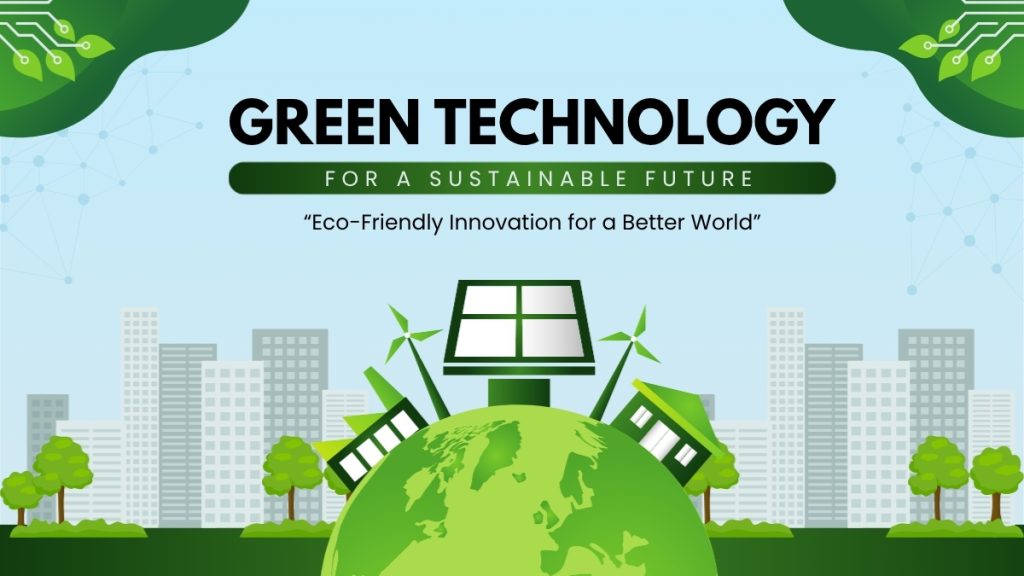
In today’s rapidly changing world, where climate change and resource depletion are pressing concerns, green technologyhas become one of the most powerful forces shaping our collective future. As countries, companies, and individuals strive to reduce environmental impact, the adoption of sustainable and eco-friendly innovations is not just an option — it’s a necessity.
Green technology, often referred to as clean technology or sustainable technology, involves the development and use of products, systems, and practices that conserve natural resources, reduce carbon emissions, and minimize waste. From renewable energy and electric vehicles to biodegradable materials and smart agriculture, these innovations are driving the transition toward a cleaner, more sustainable planet.
What Is Green Technology?
Green technology encompasses a wide range of scientific and engineering solutions designed to combat environmental challenges. Its ultimate goal is to create systems that support long-term ecological balance while meeting modern human needs.
Some of the key areas of green technology include:
- Renewable energy (solar, wind, hydro, and geothermal)
- Sustainable agriculture
- Electric and hydrogen-powered transportation
- Recycling and waste management
- Eco-friendly materials and packaging
- Water purification and conservation
- Smart infrastructure and green buildings
By integrating these innovations, societies can significantly reduce pollution, lower greenhouse gas emissions, and preserve natural ecosystems.
The Rise of Renewable Energy
One of the most significant breakthroughs in green technology is the advancement of renewable energy. Fossil fuels, once the backbone of industrial development, are now recognized as one of the largest contributors to global warming. As a result, renewable energy sources like solar, wind, and hydroelectric power are becoming the foundation of sustainable progress.
Solar Power
Solar technology has made remarkable progress over the last two decades. Modern solar panels are more efficient, affordable, and durable than ever before. They convert sunlight directly into electricity with minimal environmental impact. The use of rooftop panels, large-scale solar farms, and solar-powered devices has allowed both individuals and industries to reduce reliance on non-renewable energy sources.
Wind Energy
Wind power harnesses the natural movement of air to generate electricity through turbines. Countries like Denmark, Germany, and Canada have invested heavily in wind farms, generating a significant portion of their national energy needs from this clean source.
Hydroelectric and Geothermal Power
Hydroelectric plants convert the energy from flowing water into electricity, while geothermal power utilizes heat from the Earth’s core. Both offer consistent, renewable sources of energy that can power cities without polluting the atmosphere.
The growth of these technologies represents a major step forward in reducing global carbon emissions and creating a cleaner energy grid for future generations.
Sustainable Transportation and Electric Mobility
Transportation is one of the largest sources of carbon dioxide emissions worldwide. The rise of electric vehicles (EVs), however, is revolutionizing how people and goods move around the planet. Companies such as Tesla, Rivian, and major automakers are producing electric cars, trucks, and buses that emit zero tailpipe emissions.
Beyond cars, electric scooters, bicycles, and even airplanes are emerging as part of a broader effort to create clean mobility networks. Additionally, hydrogen fuel cell technology offers another promising avenue, particularly for heavy transportation like trucks and ships.
Many countries are also investing in public transportation systems powered by renewable energy, such as solar-powered trains and electric buses. These solutions not only reduce pollution but also decrease traffic congestion and enhance urban air quality.
Smart Cities and Green Buildings
As more than half of the world’s population now lives in cities, urban sustainability has become a critical focus of green technology. Smart cities use data and technology to manage energy use, waste, and water more efficiently while improving the quality of life for residents.
Energy-Efficient Buildings
Green building technologies integrate eco-friendly materials, renewable energy systems, and intelligent design to minimize environmental impact. Features like:
- Solar panels
- Smart thermostats
- Rainwater harvesting systems
- Natural lighting and ventilation
- Recycled construction materials
These innovations reduce energy consumption and carbon footprints while promoting healthier living spaces.
Urban Agriculture
Another growing trend is vertical farming and rooftop gardens. These methods use hydroponics and LED lighting to grow food in urban areas, reducing the need for long transportation chains and lowering emissions.
By combining technology, design, and sustainability, cities are becoming more livable and resilient against climate-related challenges.
Eco-Friendly Materials and Waste Reduction
The fight against plastic pollution is one of the biggest environmental challenges of our time. Green technology is paving the way for biodegradable materials and circular economy practices that minimize waste and reuse valuable resources.
Biodegradable Alternatives
Materials made from bamboo, cornstarch, sugarcane, and hemp are replacing single-use plastics in everyday products. For example, bamboo cotton swabs, bamboo toothbrushes, and compostable packaging offer sustainable alternatives without sacrificing functionality or convenience.
Recycling Innovation
Modern recycling systems use advanced sorting technologies, artificial intelligence, and robotics to improve efficiency. Companies are developing methods to recycle complex materials such as textiles, electronics, and even construction waste.
The Circular Economy
A circular economy aims to design products and systems where materials are reused, repaired, or recycled indefinitely. This reduces the demand for new raw materials and minimizes pollution across industries.
Water and Wastewater Management
Water scarcity is a growing concern in many parts of the world. Green technology solutions such as smart irrigation systems, desalination plants, and wastewater recycling are helping conserve and purify this vital resource.
- Smart irrigation uses sensors and weather data to optimize water use in agriculture.
- Desalination technologies convert seawater into freshwater through energy-efficient methods.
- Recycling wastewater for non-potable uses like agriculture or industry reduces pressure on freshwater supplies.
These innovations ensure that future generations will have access to clean, safe water — a cornerstone of sustainable development.
The Role of Innovation and Policy
Green technology cannot thrive without strong collaboration between governments, businesses, and consumers. Policies such as carbon taxes, renewable energy incentives, and sustainability certifications encourage innovation and drive market transformation.
Many nations have set ambitious goals — such as Canada’s Net-Zero 2050 target and the European Green Deal — to reduce greenhouse gas emissions and transition to green economies. Governments are also funding research and development in clean technologies and offering subsidies to companies that adopt sustainable practices.
For businesses, adopting green technology is not only about environmental responsibility but also about economic opportunity. Sustainable practices attract eco-conscious customers, reduce operational costs, and enhance brand reputation.
Looking Ahead: The Future of Green Technology
The future of green technology lies in innovation, collaboration, and education. Emerging trends such as carbon capture and storage, biotechnology, AI-driven energy optimization, and sustainable nanomaterials will further accelerate the transition toward a cleaner planet.
As individuals, we can all play a part by choosing sustainable products, supporting renewable energy, and advocating for environmental awareness. Every small step contributes to a larger movement toward a sustainable, circular, and zero-waste future.
Conclusion
Green technology represents hope — a path toward a future where innovation and sustainability coexist in harmony. By embracing renewable energy, eco-friendly materials, and smart systems, humanity can reduce its impact on the planet and create a cleaner, safer, and more equitable world.
The time to act is now. Together, through responsible choices and forward-thinking innovation, we can build a sustainable future powered by green technology.