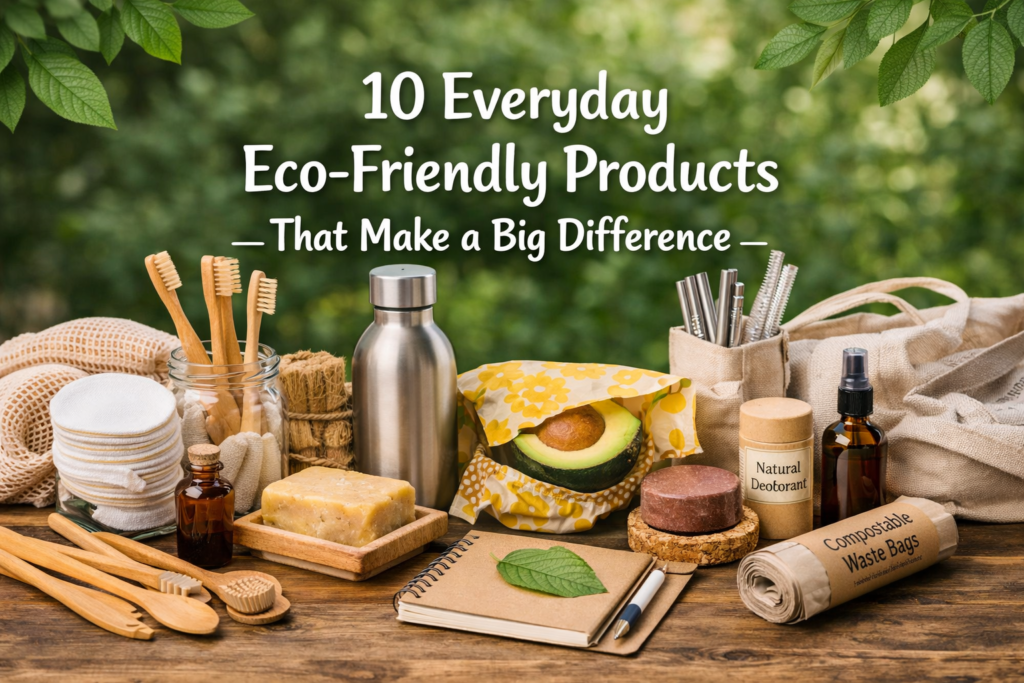
In today’s world, sustainability is no longer a choice—it’s a necessity. Every small decision we make, from the toothbrush we use to the lunch wrap we choose, can impact the environment. While large-scale systemic changes are essential, individual actions accumulate to create a significant effect. Switching to eco-friendly products is one of the easiest ways to start making a difference. Not only do these products reduce waste, but they also encourage mindful consumption, save money over time, and inspire those around you to adopt greener habits.
1. Bamboo Toothbrushes
Plastic toothbrushes contribute millions of tons of waste to landfills annually. Bamboo toothbrushes are biodegradable, sustainable, and just as effective as conventional brushes. Look for options with soft bristles made from plant-based materials to maximize environmental benefit. Tip: Replace your bamboo toothbrush every 3–4 months and compost the handle when finished.
2. Reusable Cotton Pads
Switching from disposable cotton pads to reusable ones significantly reduces landfill waste. These pads are typically made from organic cotton or bamboo fibers and can be washed hundreds of times. They are perfect for removing makeup, applying toner, or gentle cleansing. Tip: Keep a small bag for used pads and wash them in cold water to preserve their life.
3. Stainless Steel or Bamboo Straws
Single-use plastic straws are a major contributor to ocean pollution. Stainless steel or bamboo alternatives are durable, easy to clean, and reusable. Many even come with travel cases, so you can carry one wherever you go. Tip: Make it a habit to carry your straw in your bag; every small choice adds up.
4. Reusable Water Bottles
Plastic water bottles generate enormous environmental waste. Reusable water bottles made from stainless steel, glass, or BPA-free materials reduce landfill contributions and save money over time. They also help you stay hydrated without relying on single-use plastics. Tip: Choose insulated bottles to keep drinks cold or hot for hours, increasing their daily utility.
5. Beeswax Wraps
Plastic wrap is convenient but harmful to the environment. Beeswax wraps are a sustainable alternative that can be reused multiple times. They are perfect for covering bowls, wrapping sandwiches, or storing fresh produce. Tip: Wash them with cold water and mild soap; avoid hot water to extend their life.
6. Cloth Grocery Bags
Plastic grocery bags are a persistent environmental issue. Investing in cloth or jute bags reduces plastic waste and encourages responsible shopping habits. Tip: Keep a couple of bags in your car or backpack so you never forget them when shopping.
7. Eco-Friendly Cleaning Products
Chemical-laden cleaning supplies can harm the environment and your health. Switching to biodegradable, non-toxic products, or making your own using ingredients like vinegar, baking soda, and essential oils, is safer and more sustainable. Tip: Store cleaning solutions in refillable containers to avoid buying new bottles every time.
8. Compostable Trash Bags
Regular plastic trash bags take hundreds of years to decompose. Compostable options break down naturally and reduce the amount of non-biodegradable waste in landfills. Tip: Combine with a home compost system for food scraps and biodegradable waste to maximize environmental benefit.
9. Sustainable Personal Care Products
Items like shampoo bars, solid lotion bars, and bamboo combs reduce packaging waste and are often made with natural ingredients. Switching your personal care routine to eco-friendly products is an easy and impactful change. Tip: Start with small swaps and gradually replace your conventional items with sustainable alternatives.
10. Refillable Pens and Notebooks
Even stationery contributes to waste. Choosing refillable pens and notebooks made from recycled materials reduces environmental impact and encourages mindful consumption. Tip: Track your purchases and reuse old notebooks creatively—e.g., for scrap paper or journals.
Conclusion
Adopting eco-friendly products doesn’t require a complete lifestyle overhaul. Start with a few swaps in your daily routine and expand gradually. Each small change reduces waste, conserves resources, and contributes to a cleaner, healthier planet. Remember, sustainability is a journey, and every conscious choice matters. By switching to eco-friendly alternatives today, you’re making a tangible difference for tomorrow.