
Single-use plastic has become one of the most pressing environmental issues worldwide. These products are designed for convenience, used for only a few minutes, and then discarded—yet they can persist in the environment for hundreds of years. From packaging to everyday household items, plastic waste continues to accumulate in landfills and oceans, causing long-term harm to ecosystems and human health.
At Stop Plastic, our mission is to promote practical and sustainable alternatives that help reduce dependence on disposable plastic products. This guide explores the most effective replacements for single-use plastics and explains why making these changes matters.
What is Single-Use Plastic
Single-use plastics are disposable items intended for one-time use before being thrown away. These include products such as plastic bags, water bottles, straws, food packaging, and cotton swabs with plastic stems. Because of their low cost and convenience, they are widely used across households and industries, but their environmental cost is extremely high.
Most single-use plastics are not recycled properly due to contamination, lack of infrastructure, or economic limitations. As a result, a large percentage ends up in landfills or natural environments, where they break down into microplastics and enter the food chain.
Why Reducing Plastic Matters
Reducing plastic consumption is not only beneficial for the environment but also for long-term sustainability. Plastic pollution harms marine life, contaminates soil and water, and contributes to climate change through production and disposal processes. By switching to reusable and biodegradable alternatives, individuals can significantly reduce their environmental footprint.
Adopting sustainable habits also supports businesses that prioritize ethical sourcing and eco-friendly materials, creating a positive cycle of responsible consumption and production.
Best Alternatives to Single-Use Plastic
Reusable Shopping Bags
Plastic shopping bags are among the most commonly used and discarded items worldwide. A practical alternative is reusable bags made from materials such as cotton, canvas, or recycled fibres. These bags are designed for long-term use, can carry heavier loads, and are easy to clean.
Unlike single-use plastic bags, reusable options can last for years, reducing the need for constant replacement. Many designs are foldable and convenient to carry, making them suitable for everyday shopping. Over time, switching to reusable bags can eliminate hundreds of plastic bags from personal consumption.
Stainless Steel or Glass Water Bottles
Disposable plastic bottles contribute significantly to global plastic waste. Replacing them with reusable bottles made from stainless steel or glass is a simple yet impactful change. These materials are durable, safe for repeated use, and free from harmful chemicals often associated with plastic containers.
Stainless steel bottles are especially beneficial due to their insulation properties, keeping beverages hot or cold for extended periods. Glass bottles, on the other hand, offer a clean taste and are fully recyclable. Investing in a reusable bottle reduces waste while also providing long-term cost savings.
Reusable Cutlery
Single-use plastic cutlery is widely used in takeout and fast-food settings but is rarely recycled. Reusable cutlery sets made from bamboo or stainless steel offer a sustainable alternative. Bamboo cutlery is lightweight, biodegradable, and ideal for travel, while metal options are more durable and suitable for long-term use.
Carrying a personal cutlery set helps reduce reliance on disposable utensils and promotes more conscious consumption habits. These sets are often compact and easy to store, making them convenient for work, travel, or outdoor activities.
Beeswax Wraps and Reusable Bread Bags
Plastic wrap and disposable food storage bags are commonly used in kitchens but generate significant waste. Beeswax wraps and reusable bread bags provide an effective alternative for food storage. Beeswax wraps are made from natural materials such as cotton fabric coated with beeswax, allowing them to be flexible, reusable, and biodegradable.
Reusable bread bags, often made with natural fabrics and protective coatings, help keep baked goods fresh without the need for plastic packaging. These products can be washed and reused multiple times, making them both environmentally friendly and cost-effective over time.
Bamboo Cotton Swabs
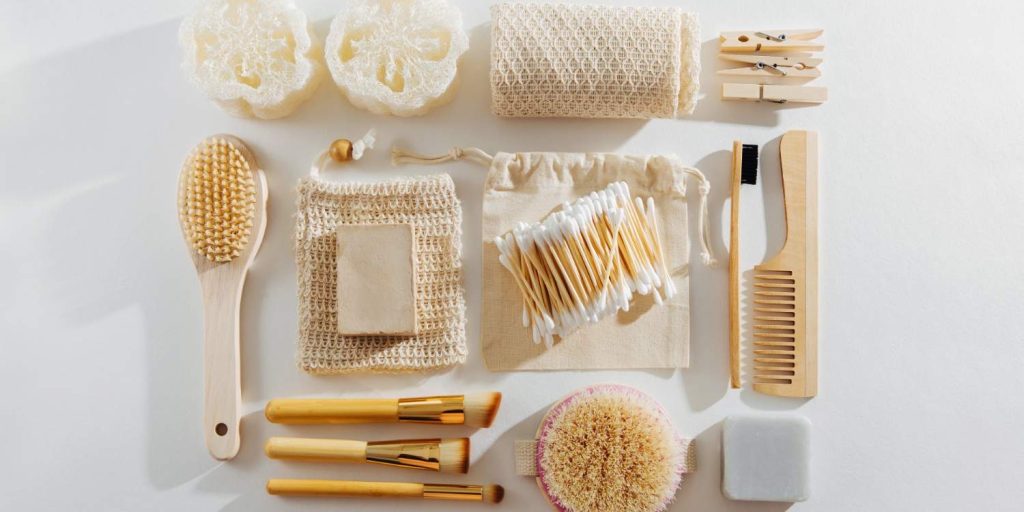
Traditional cotton swabs typically use plastic stems, which contribute to environmental pollution and are often found in waterways and oceans. Bamboo cotton swabs offer a sustainable alternative, as bamboo is a fast-growing and biodegradable material.
These swabs provide the same functionality as plastic ones but decompose naturally after disposal. Switching to bamboo cotton swabs is a small but meaningful step toward reducing everyday plastic waste, especially in personal care routines.
Simple Ways to Reduce Plastic at Home
Reducing plastic use does not require a complete lifestyle overhaul. Small, consistent changes can make a significant difference. Choosing products with minimal or recyclable packaging, buying in bulk, and reusing containers are effective strategies. Avoiding impulse purchases of disposable items and planning for reusable options can also help build sustainable habits.
Supporting brands that prioritize eco-friendly materials and responsible production practices further reinforces positive environmental impact.
Why Sustainable Choices Matter
Sustainable products are designed with long-term environmental impact in mind. They often use renewable resources, biodegradable materials, and ethical manufacturing processes. By choosing these products, consumers help reduce waste, conserve resources, and support innovation in sustainable industries.
Making environmentally conscious decisions also encourages wider adoption of sustainable practices across markets and communities.
Final Thoughts
Transitioning away from single-use plastic is a gradual process that begins with awareness and small changes. Each substitution, no matter how minor it may seem, contributes to reducing overall plastic waste. Over time, these changes lead to more sustainable consumption patterns and a healthier environment.
At Stop Plastic, we are committed to providing practical solutions that help individuals and businesses reduce their reliance on single-use plastic. By choosing better alternatives, everyone can play a role in creating a cleaner and more sustainable future.